
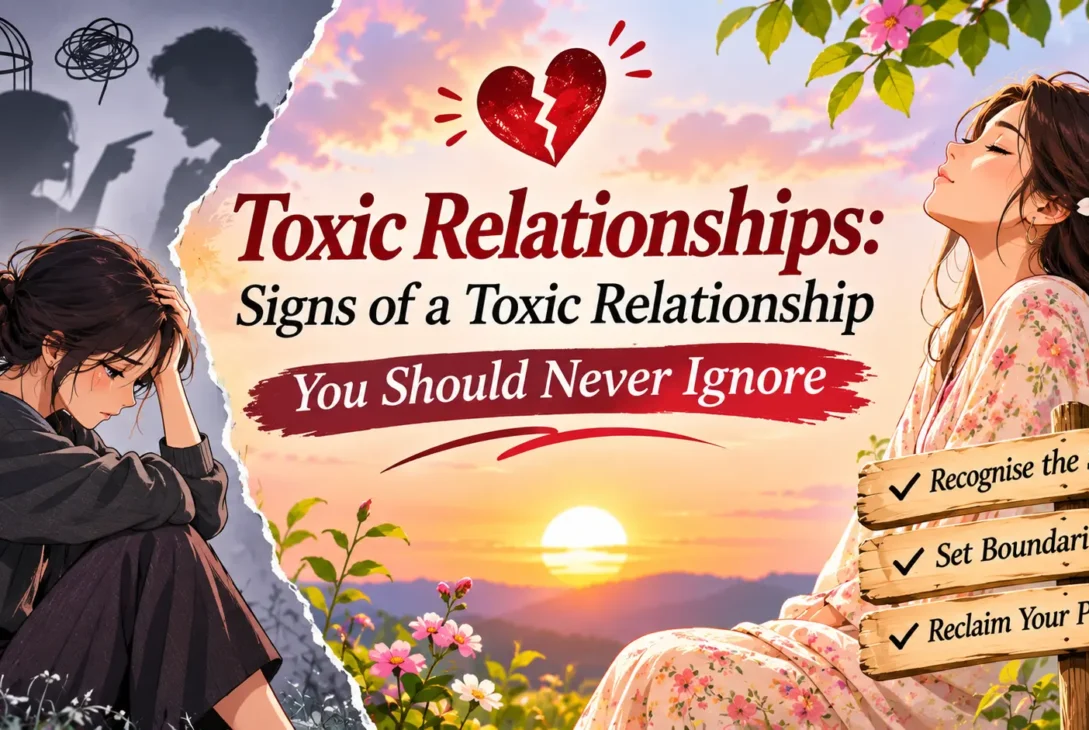
Toxic Relationship
A relationship should give you the freedom to express yourself, make decisions and feel comfortable being who you are. It does not mean that two people will always agree or never experience disagreements. However, when a relationship repeatedly makes you question your worth, doubt your decisions or feel afraid to speak openly, something may not be right.
A toxic relationship is not always easy to recognise. Sometimes, unhealthy behaviour is obvious, such as constant criticism, manipulation, controlling behaviour or disrespect. At other times, toxicity remains hidden behind seemingly normal conversations, expressions of support and gestures that do not reflect what someone genuinely feels or how they treat you.
What makes these relationships particularly difficult is that people may continue investing their emotions, time and energy without realising how much their confidence and emotional well-being are being affected. Understanding the signs of a toxic relationship is the first step towards recognising unhealthy patterns and making decisions that protect your peace and self-worth.
When You Feel Afraid to Express Yourself

One of the most important signs of a toxic relationship is feeling uncomfortable expressing your thoughts, opinions or emotions. You may repeatedly think before speaking because you are afraid of how the other person will react. Even simple decisions can make you anxious because you anticipate criticism, arguments or unnecessary conflict.
There is an important difference between respecting someone and feeling controlled by them. For example, respecting your parents and considering their feelings before making certain decisions can be a healthy expression of love and family values. However, when someone forcefully imposes their choices on you, makes you feel insecure or constantly encourages you to doubt yourself, the situation becomes different.
A healthy relationship allows you to respect others without losing your individuality. If you feel confident and comfortable around most people but become insecure and doubtful in one particular relationship, pay attention to that feeling. It may indicate an unhealthy dynamic that deserves your attention.
When Their Support Feels Genuine Only on the Surface
Not all toxic behaviour is openly aggressive. Some unhealthy patterns are difficult to identify because they appear supportive on the surface. For instance, someone may congratulate you on your achievements, pretend to be happy about your progress and encourage you in front of others. However, their behaviour may change when you succeed.
They might minimise your achievements, make discouraging comments, compare you with others or subtly create situations that make you question your abilities. Occasional jealousy or insecurity is a human emotion. What matters is how someone handles those feelings.
When a person repeatedly tries to undermine your happiness, compete with your achievements or make you feel guilty for progressing in life, their behaviour can become emotionally damaging. Genuine support does not require someone to feel threatened by your growth. People who genuinely care about you should be able to celebrate your achievements without making you uncomfortable about your success.
When You Constantly Doubt Yourself
Another important sign of a toxic relationship is the gradual loss of confidence. You may start questioning your decisions, abilities and even your understanding of everyday situations. Things that once felt natural become difficult because you are constantly worried about making mistakes or disappointing someone.
Sometimes, repeated criticism and emotional manipulation can make you believe that you are always the problem. You may start apologising even when you have done nothing wrong, overthinkingordinary conversations and seeking approval before making simple decisions.
This becomes particularly concerning when you notice that your confidence changes depending on who you are around. A healthy relationship should not make you feel incapable of thinking independently. You deserve to have opinions, make mistakes, learn and grow without constantly feeling judged.
When Controlling Behaviour Is Presented as Care

There is a difference between caring about someone and controlling their life. A person may justify their behaviour by saying that they are protecting you, worrying about you or making decisions for your benefit. However, genuine care should not come at the cost of your freedom.
Controlling behaviour can appear in different forms, such as questioning where you go and whom you meet, expecting you to seek permission for ordinary decisions, interfering with your friendships and personal choices or making you feel guilty for spending time independently.
Sometimes, control is so gradual that people begin accepting it as a normal part of their relationship. However, love does not require constant supervision. Two people can remain emotionally connected while maintaining their individual identities, friendships and personal space.
When Constant Criticism Makes You Feel Inadequate
Constructive feedback can help people improve, but constant criticism can gradually destroy their confidence. Consider a workplace situation. You may be performing your responsibilities sincerely and putting genuine effort into your work. However, if recognition repeatedly goes to someone who receives favouritism rather than someone who contributes meaningfully, your motivation may begin to decline.
A similar situation can occur within families. Imagine a daughter-in-law who continuously tries to manage household responsibilities, contribute to the family and maintain good relationships. However, if her mother-in-law constantly finds faults in everything she does, she may eventually lose confidence and enthusiasm.
The problem is not that someone occasionally points out a mistake. The problem begins when your efforts are repeatedly dismissed and your shortcomings become the only things someone chooses to notice. Over time, constant criticism can make people forget their strengths and stop appreciating their own contributions. A healthy relationship should leave room for improvement without making someone feel permanently inadequate.
When You Feel Emotionally Drained Rather Than Supported
Every relationship experiences difficult periods. People may disagree, misunderstand each other or struggle with personal circumstances. However, when interactions repeatedly leave you feeling exhausted, anxious, frustrated or emotionally unsettled, it is worth examining the relationship.
You might feel relieved when the other person is not around, spend hours thinking about what went wrong or constantly try to avoid arguments. You may even feel responsible for managing the other person’s emotions while ignoring your own needs.
Emotional exhaustion can develop gradually. You may not recognise it immediately because you become accustomed to adjusting, explaining and compromising. Remember that relationships require effort from both individuals. One person should not have to carry the entire emotional responsibility.
When You Stay Because of Fear, Dependence or Social Pressure
One question worth understanding is why people remain in relationships that repeatedly make them unhappy. There is rarely just one answer. Some people stay because they want to respect their parents and avoid hurting their families. Others worry about society’s opinions, loneliness or the uncertainty of starting again.
Emotional attachment can also make it difficult to leave. People remember the happier moments, hold on to promises and continue hoping that the other person will eventually change. Financial dependence, family responsibilities and a lack of confidence in handling life independently can make the situation even more complicated.
Sometimes, people become so accustomed to depending on someone that they stop believing they can manage their lives without that person. However, staying in an unhealthy relationship simply because leaving feels difficult does not mean you have to accept the situation forever. Recognising your circumstances and gradually building independence can help you understand your options.
What Should You Do If You Recognise These Signs?

Recognising a toxic relationship is important, but knowing what to do next can be equally challenging. The first step is to acknowledge what is happening instead of constantly dismissing your feelings.
If the situation involves misunderstandings, unhealthy communication or recurring disagreements, consider having an honest conversation. Explain how the behaviour affects you and what needs to change. However, remember that communication only works when both individuals are willing to listen, take responsibility and make genuine efforts.
If repeated conversations bring no improvement, consider establishing clear boundaries. You do not have to accept disrespectful behaviour simply to maintain a relationship. It is also important to develop your independence. Invest in your skills, career, financial stability and personal interests. Maintain connections with people who genuinely support you.
If the relationship involves threats, physical violence, intimidation or abuse, do not rely on another conversation to resolve the situation. Prioritise your safety, reach out to someone you trust and seek professional or local support. If necessary, make a safe plan to leave. You do not have to handle everything alone, and protecting yourself is not selfish.
Final Thoughts: Your Life Deserves More Than Constant Fear
A toxic relationship can gradually change the way you see yourself. You may begin questioning your abilities, suppressing your emotions and accepting behaviour that you would never consider acceptable for someone you love. But recognising an unhealthy relationship gives you an opportunity to reconsider what you want from life and the people around you.
One thing I strongly believe is that you should never forget your place in your own life. You are not meant to spend your entire existence adjusting to someone else’s expectations, seeking approval or feeling guilty for wanting happiness.
If you genuinely want to free yourself from a toxic environment, begin by believing that change is possible. The path may not always be easy, and every person’s circumstances are different, but seeking support, building independence and taking small steps can help you move towards a healthier life.
This is your life. You are the hero of your own story, not a victim or a side character in someone else’s. Never forget that you deserve to live it with dignity, confidence and peace.